How to Choose the Right Location for Your Water Well
Select the Perfect Spot for Your Water Well Installation Project
Installing a water well is a significant investment that can provide a reliable, long-term water source for your property. One of the most critical decisions in this process is choosing the right location for the well. A poorly placed well can lead to contamination risks, reduced water yield, higher maintenance costs, and even regulatory issues. By taking the time to evaluate key factors before drilling begins, you can help ensure clean, dependable water for years to come.
Below are the most important considerations when selecting the ideal location for your new water well.
Understand Local Regulations & Setback Requirements
Before identifying potential well sites, research your local and state regulations. Most jurisdictions have strict rules governing where wells can be placed to protect groundwater quality and public health.
Common setback requirements may include minimum distances from:
- Septic systems and drain fields
- Property lines
- Livestock areas
- Chemical storage or fuel tanks
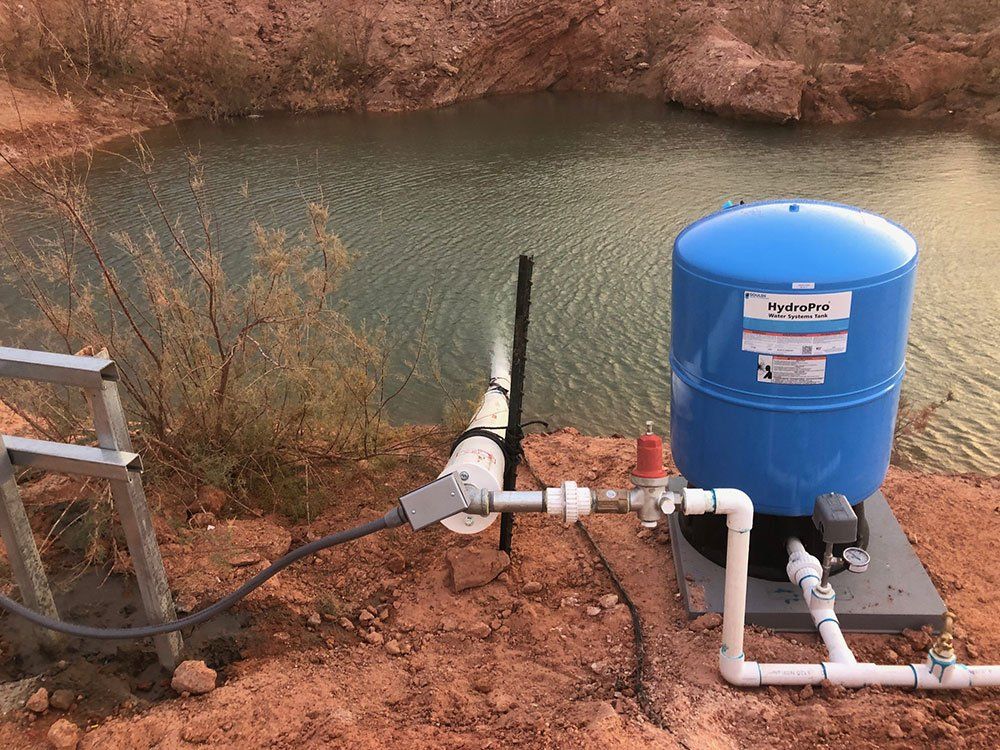
- Surface water sources such as ponds or streams
Working with a licensed well contractor is essential, as they are familiar with local codes and permitting requirements and can help you avoid costly mistakes or delays.
Evaluate the Property’s Topography
Topography plays a major role in well performance and water safety. Ideally, your well should be located on higher ground relative to potential contamination sources. This reduces the risk of surface runoff carrying pollutants toward the wellhead.
Avoid low-lying areas that collect standing water after rain or snowmelt. These areas increase the likelihood of contaminants seeping into the groundwater near your well. Gentle slopes with good natural drainage are often ideal.
Maintain Safe Distances from Contamination Sources
Protecting water quality starts with strategic placement. Wells should be located as far as possible from any potential contamination sources, including:
- Septic tanks and leach fields
- Fertilized lawns or agricultural fields
- Animal pens or manure storage areas
- Roadways treated with de-icing chemicals
Account for Geological & Soil Conditions
Subsurface conditions directly affect water availability and well longevity. Soil composition, rock formations, and groundwater depth vary widely—even within the same property.
Professional well drillers often use:
- Geological surveys
- Local well records
- Test drilling data
These tools help identify areas with reliable aquifers and adequate water yield. Avoid areas with excessive bedrock close to the surface or unstable soil that could complicate drilling or compromise well integrity.
Plan for Flooding & Drainage
Flood-prone areas pose a serious risk to water wells. Floodwaters can overwhelm the wellhead and introduce bacteria, chemicals, and debris into the water supply.
When selecting a site:
- Avoid floodplains and areas with a history of seasonal flooding
- Ensure proper grading so water flows away from the well
- Consider elevating the wellhead if flooding is a known concern
Good drainage is one of the simplest yet most effective ways to protect your well from contamination.
Contact Our Water Well Installation Experts to Get Started
Selecting the right location for your water well installation is a crucial step that affects water quality, system performance, and long-term reliability. By considering regulations, topography, contamination risks, accessibility, geological conditions, and future property plans—and by working with experienced professionals—you can make an informed decision that protects both your investment and your water supply.
We urge you to contact one of the certified professionals at J-R's Water Well Service, Inc once you're ready to install a new water well on your property. Our team members provide proven guidance across the Odessa, Midland, Stanton, and Andrews, TX communities!